Gut & Skin: How Supporting Your Microbiome May Help Your Skin Look Healthier

This page is for informational and educational purposes. It explores how gut health and skin appearance may be connected, and how some people choose to support both with lifestyle, nutrition, and targeted supplements.
Everyone’s skin and digestion are different, and no single approach is right for everyone. The information here is not medical advice and is not intended to diagnose, treat, cure, or prevent any disease. Always speak with a qualified professional if you have questions about your health.
If you’d like to see a once-daily gut and skin support supplement that aligns with the ideas on this page, you can learn more about PrimeBiome here:
View PrimeBiome Details & Offers 👉You’ll be taken to the official PrimeBiome website for full details, ingredients and purchase options.
Some changes in the mirror are so subtle you almost miss them—until one day, you don’t.
Your reflection looks… muted. The glow you used to take for granted has thinned out. Makeup blends differently, light doesn’t bounce off your cheekbones the way it used to, and your skin tone feels like it’s shifted into a slightly lower-wattage version of you.
People might tell you to exfoliate more, switch moisturizers, try retinol, book another facial. And maybe you’ve cycled through all of that already—only to realize you’re managing the surface while wondering if something deeper is involved.
1. Aside from skin looking dull, what is your primary skin concern?
2. How does your digestion feel on a typical day?
3. When do you feel your energy dip the most?
Possible Internal Factors
Your answers suggest your skin concerns may be influenced by internal factors such as gut balance, stress, or lifestyle. Topical routines alone may not address these deeper pieces for everyone.
Keep reading to learn how some people choose to support the gut–skin connection.
There’s a growing conversation in wellness: the quality of your skin may follow the health of your gut—and when your microbiome is out of balance, your radiance can feel harder to maintain.
This isn’t just “beauty from within” as a vague concept. It’s about understanding systems inside the body that may influence how you look and feel.
Let’s walk through the gut–skin connection in a practical way—focusing on how digestion, the immune system, and lifestyle may relate to the face you see in the mirror.
How Gut Imbalance May Be Linked to Dull-Looking Skin
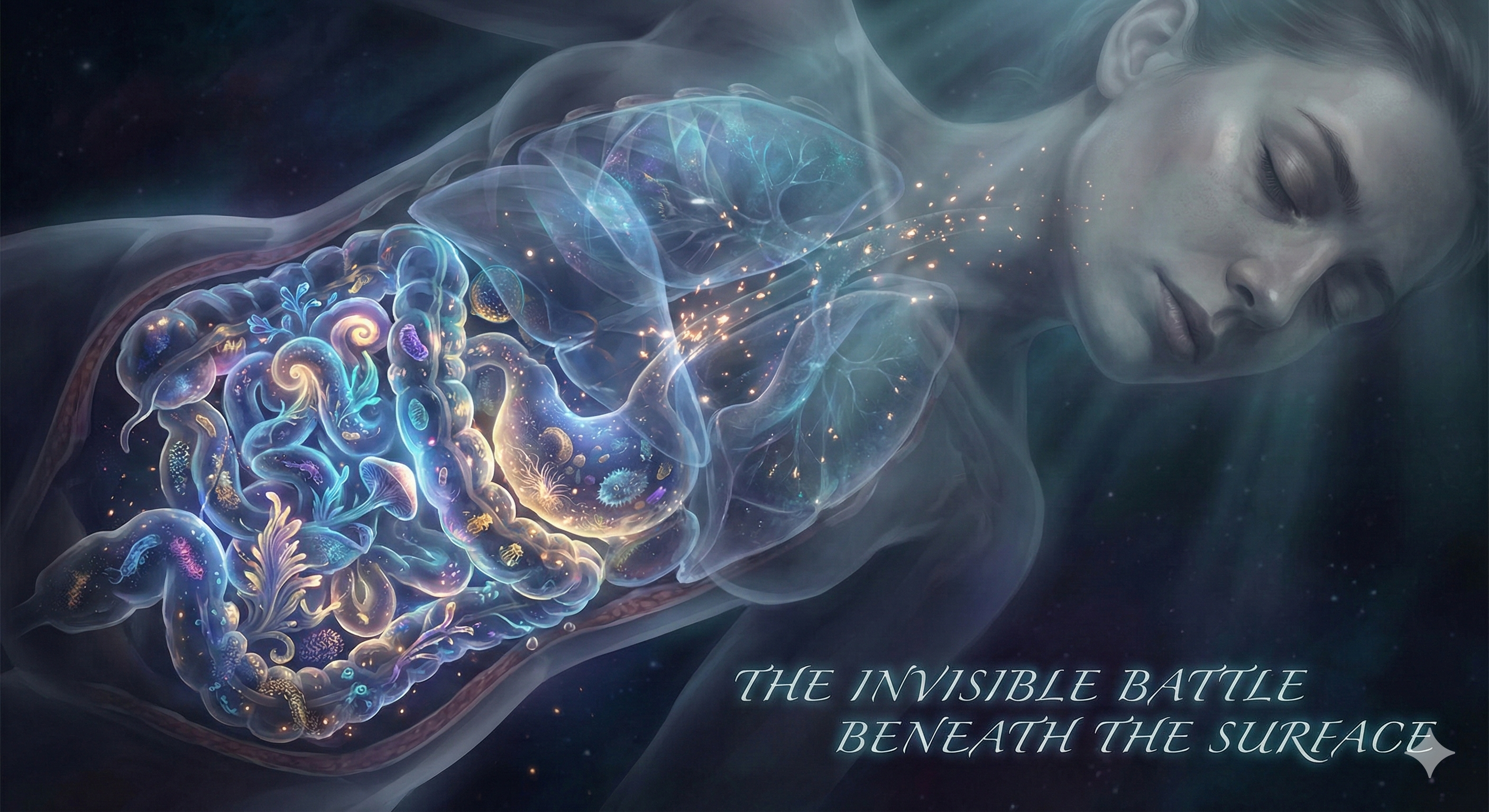
At first glance, dullness seems like a surface issue. Dryness, dead skin, slow turnover—sure. But if skin still looks “off” after you’ve tried multiple products, some people begin to wonder whether internal factors might also be involved.
Gut Imbalance, Inflammation & Skin Appearance
Some research suggests that changes in the gut microbiome may be associated with increased internal inflammation. For some people, this may show up as skin that looks more reactive, uneven, or tired over time. Everyone is different, and more research is needed, but many people find the idea of a “gut–skin axis” helpful as they think about whole-body wellness.
- Longer healing time after breakouts
- A grayish or “flat” cast to the skin
- Lingering marks that seem slow to fade
- A surface texture that feels less bouncy or radiant
The Skin–Gut Connection You Can’t Ignore Once You See It
Your gut lining and your skin barrier are both designed to protect—keeping helpful things in and irritants out.
When either barrier is under stress, it may become less effective. Some scientists think this could help explain why changes in digestion, stress and diet sometimes seem to show up on the surface of the skin. These ideas are still being studied, and they don’t replace professional advice, but they can offer a useful framework.
Why Supporting Gut Health May Help Skin Look More Even (For Some People)
Many people notice that when they focus on habits that support gut comfort—like better sleep, less stress, more balanced meals—their skin can appear calmer and more even over time.
This doesn’t happen overnight, and results are never guaranteed, but a gentler internal environment may make it easier for your normal skin renewal processes to do their job.
Ways People Support Both Gut and Skin Health

The moment you realize glow is an internal rhythm—not just a topical strategy—is the moment progress can start to feel more realistic and sustainable.
1. Why might topical creams alone not be enough for some people?
2. Which amino acid is often used in products that aim to support gut lining health?
You’ve got the idea.
You understand that internal balance may play a role in how skin looks and feels. Now let’s look at a few ingredients people often use to support this connection.
The “Support Trio”: Zinc, L-Glutamine, Collagen Peptides
These three ingredients are commonly used in wellness routines that focus on both gut and skin:
- Zinc: Often included in formulas that support normal immune function and skin health.
- L-Glutamine: Commonly used in products that aim to support a healthy gut lining.
- Collagen Peptides: Widely used by people who want to support skin elasticity as part of a balanced diet.
Fermented Foods vs. Microbiome Supplements
Fermented foods can be a helpful part of many people’s diets, but the types and amounts of bacteria they contain can vary based on preparation and storage.
Targeted microbiome supplements are formulated to provide specific strains and doses. Some people find this approach easier to be consistent with, while others prefer to rely more on food. There’s no one “right” way—just options to explore.
Hydration Rituals That Support Whole-Body Comfort
Drinking enough water is fundamental, but hydration with minerals or electrolytes may help some people feel better supported—especially if they’re active or live in hot climates.
When hydration and nutrition are more balanced, people often report feeling better overall, which can indirectly influence how skin looks over time.
Targeted Probiotic Strains Some People Use for Gut & Skin Wellness
Not all probiotics are the same. Different strains are being studied for different potential benefits. Some are more focused on digestion, others on comfort, and some are being researched for their potential role in skin wellness.
- Bifidobacterium breve: A probiotic strain being studied for its potential to support hydration and help skin look more comfortable and less “tired”.
- Lactobacillus reuteri: Often included in products aimed at supporting a calm internal environment, which some people feel is reflected in calmer-looking skin.
- Lactobacillus rhamnosus: Commonly used to support a balanced gut microbiome, which may indirectly support the skin barrier.
The Role of Postbiotics
People often focus on probiotics, but postbiotics—the beneficial substances produced when probiotics ferment fibers—are also being studied.
Short-Chain Fatty Acids
Short-chain fatty acids (SCFAs) are one example of postbiotics. Early research suggests they may help support gut barrier function and normal inflammatory responses. A well-supported gut may contribute to overall wellness, which can be reflected in how the skin looks and feels.
Cell Renewal & Signaling
Scientists are exploring how postbiotics may influence cell signaling and normal renewal processes. While this is still an emerging area of research, it adds another layer to the idea that what happens in the gut may matter for the rest of the body—including the skin.
The Daily Glow Ritual: How People Build Gut & Skin Support Into Their Routine

Lasting changes are more about consistency than perfection. Rather than quick fixes, many people find it helpful to focus on routines they can stick with.
Morning: Gut Support + Antioxidants
Some people like to take targeted probiotics, digestive support, or a gut-focused supplement in the morning, along with antioxidant-rich foods or beverages like berries or green tea.
Evening: Collagen + Prebiotic Fiber
Others prefer warm beverages that include collagen peptides and prebiotic fibers (such as oats, kiwi, or certain vegetables) as part of an evening routine. It’s less about a specific formula and more about supporting the body with consistent inputs over time.
Simple Food Swaps
- Berries instead of sweetened snacks
- Oats over refined grains
- Dark chocolate instead of high-sugar desserts
- Fish like salmon in place of frequent fried foods
Small changes like these can support overall wellness, which may positively influence how you feel and how your skin appears.
Choosing Microbiome Supplements for Your Goals
(Based on What You Want to Focus On)
Different concerns may lead people to look for different combinations of ingredients. Always read labels carefully and consult a professional if you’re unsure what’s appropriate for you.
1. Breakouts & Redness
Some people look for products that combine zinc, certain probiotic strains, and omega-3s to support immune balance and overall skin comfort.
2. Texture & Fine Lines
Others may focus on collagen peptides, vitamin C, and hydration support as part of a broader routine for appearance and skin texture.
3. Dullness & Uneven Tone
Ingredients that support antioxidant status, gut comfort, and general wellness—such as certain probiotics, prebiotics, and lifestyle changes—are often combined. Results vary, but many people appreciate a more holistic approach.
The Skin Turnover Timeline: How Changes May Unfold Over Time
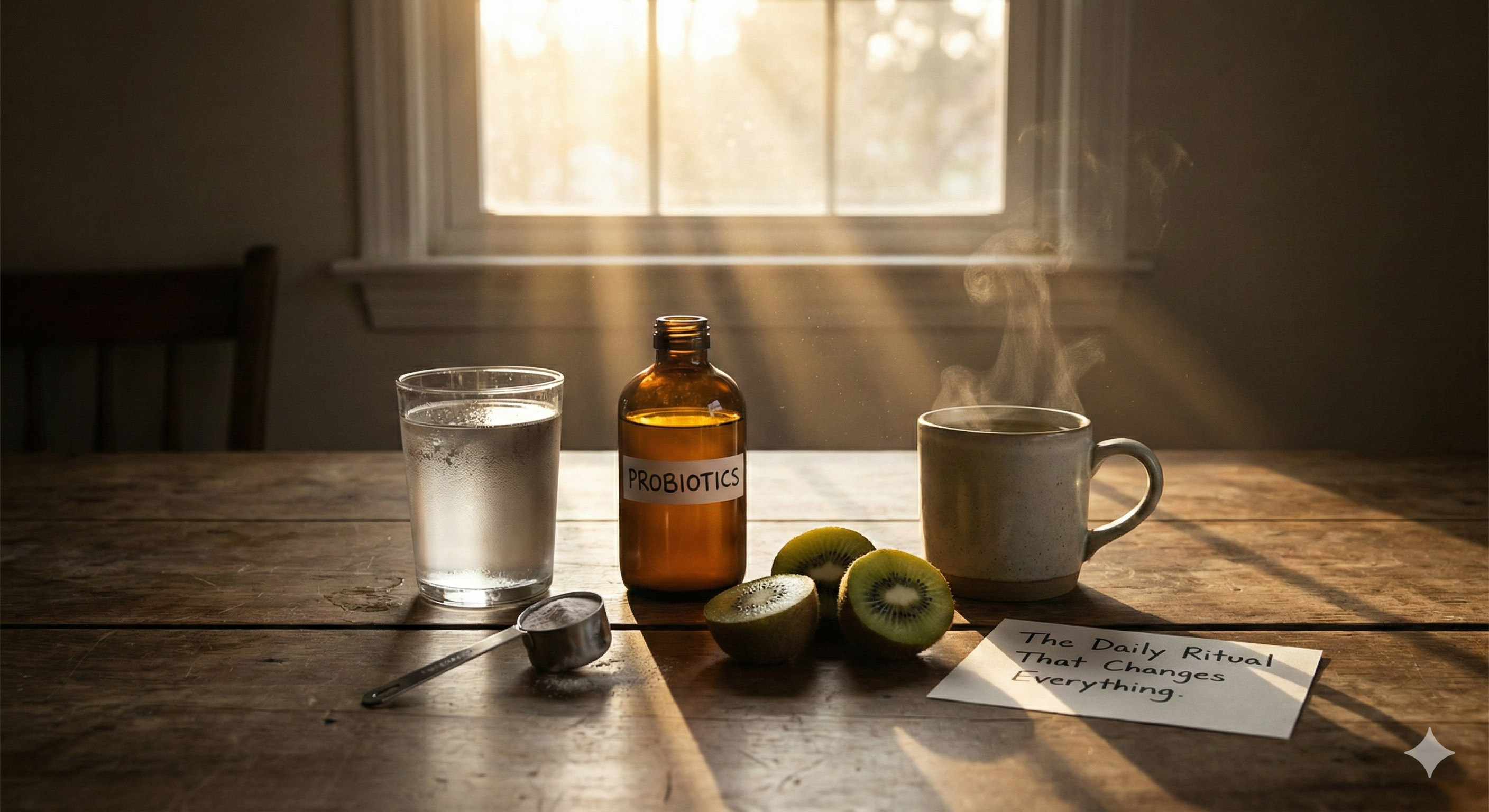
Skin renewal is a gradual process. Some people report noticing changes over a period of weeks when they consistently support their gut, nutrition, hydration, and skincare routine. Others may not notice obvious changes, even with good habits. Experiences vary.
Examples of What Some People Notice
- Early on: Feeling less heavy or puffy in the morning, more comfortable digestion.
- Over several weeks: Skin may appear more even or balanced, makeup may sit differently.
- Over a longer period: Some people feel their skin looks more resilient or “settled” under natural light.
These are not guarantees—they are simply examples of what individuals sometimes report when they focus on whole-body support.
How to Read Your Own Progress
If you notice smoother mornings, less discomfort, or fewer “bad skin days,” that may be a sign your routine is working for you. If not, it may be a signal to adjust your approach, talk with a professional, or give yourself more time.
Frequently Asked Questions
Everyone is different. Some people report noticing changes in comfort or appearance over several weeks when they use gut and skin support products consistently as part of a healthy lifestyle. Others may not notice obvious changes. Results are not guaranteed.
Many people use gut-support supplements alongside other products, but it’s important to review the ingredient list and talk with a healthcare professional if you’re unsure, especially if you are on medication or have a medical condition.
PrimeBiome’s official website describes a 60-day refund policy. If you’re not satisfied with your order, you can follow the instructions on their site to request a refund. Be sure to read the terms carefully on the official page.
1. What is your #1 priority for the next 30 days?
2. Are you ready to commit to a simple daily habit?
A Simple Daily Approach
The approach below combines gut support and skin-focused habits in one simple routine. It won’t replace professional care, but it may be a helpful piece of your overall wellness plan.
How to Turn These Ideas Into a Daily Habit
You now understand the basic science: supporting gut health, hydration, and balanced nutrition may play a role in how skin looks and feels over time.
Instead of buying separate products for every step, some people prefer an all-in-one supplement that’s easy to remember and fits into their existing routine. That’s where PrimeBiome comes in as an option to explore.
A Once-Daily Gut & Skin Support Option
PrimeBiome is a dietary supplement formulated to support a healthy gut microbiome. A balanced gut environment may play a role in overall well-being, including how skin looks and feels for some individuals.
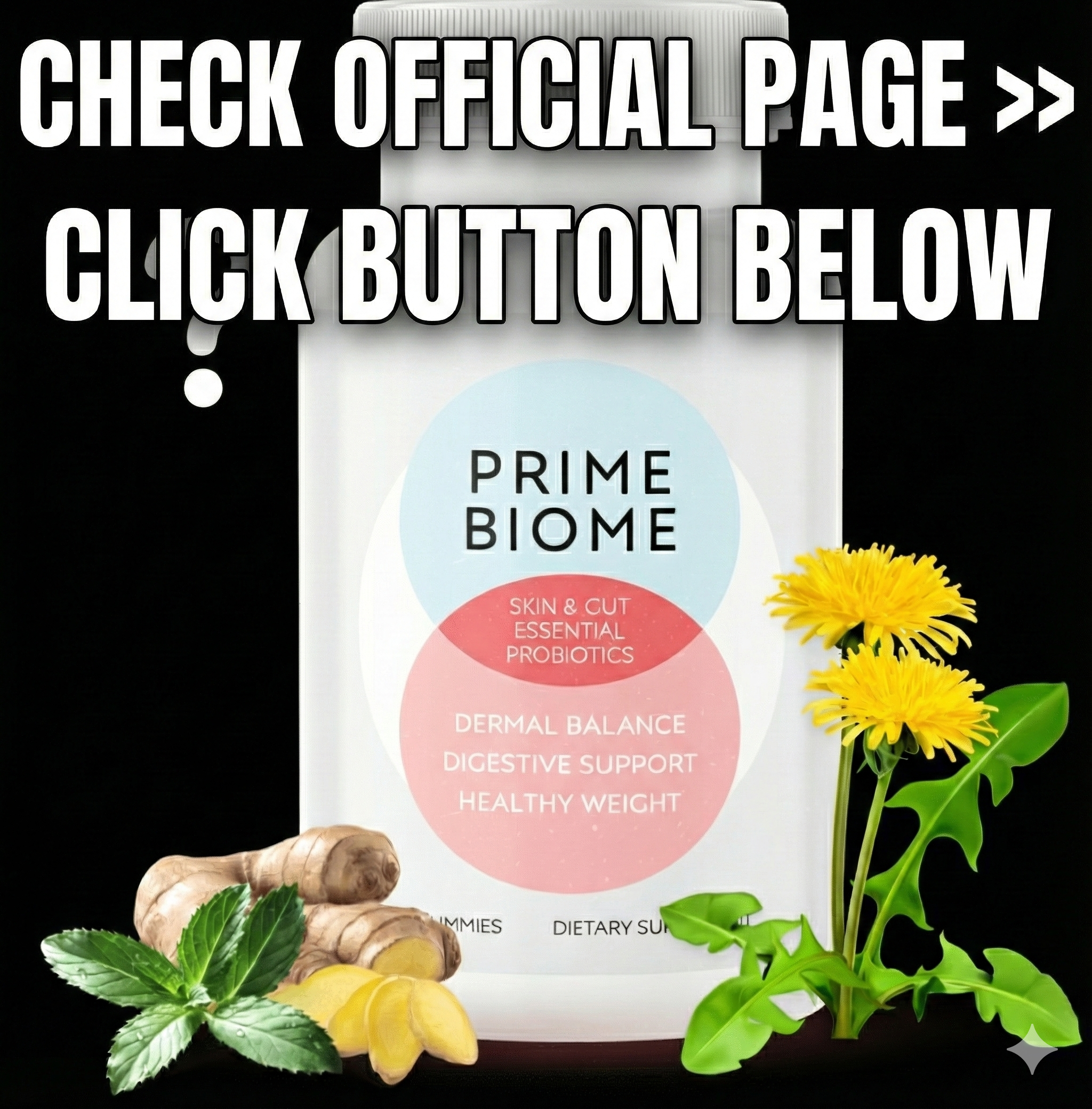
Key Features:
- Bifidobacterium breve: A probiotic strain being studied for its potential to support gut and skin wellness.
- Lactobacillus rhamnosus: Included to help support a balanced gut microbiome.
- Lactobacillus reuteri: Being researched for its role in comfort and skin appearance.
- Prebiotics: Ingredients that help nourish beneficial bacteria.
What You’ll Find on the Official Page:
- Full ingredient list and usage instructions
- Details on suggested routines and lifestyle tips
- Information about guarantees and customer support
PrimeBiome is not intended to diagnose, treat, cure, or prevent any disease. Experiences vary, and results are not guaranteed. Please read all information on the official website and consult a healthcare professional if you have questions.